
Move-Out Cleaning: What Landlords Expect (and How to Get Your Deposit Back)
· By Camila Brito Da Silva
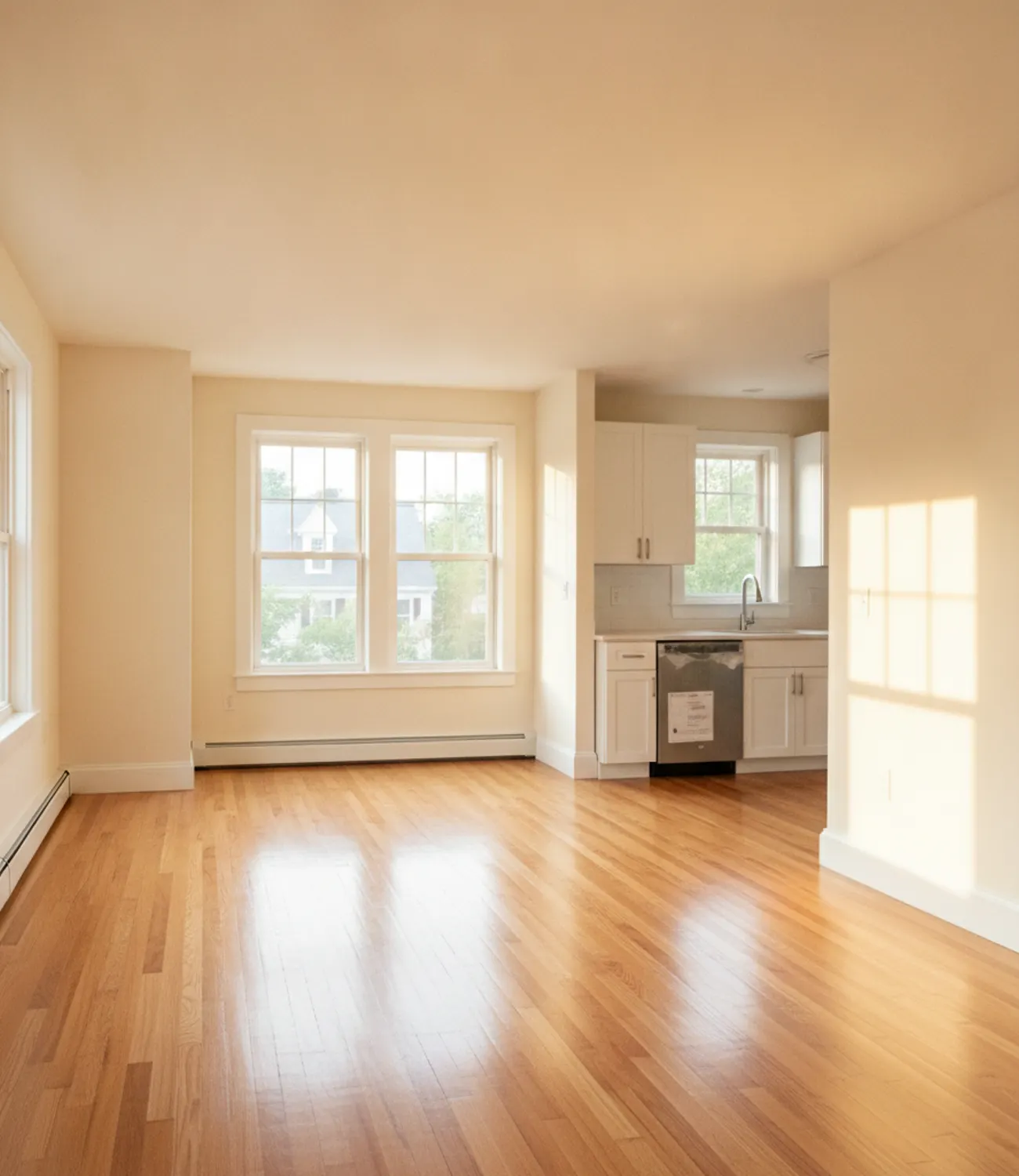
You gave notice, packed the boxes, and lined up the truck. Then you remember the last hurdle standing between you and your security deposit: the apartment has to be handed back clean. In Massachusetts, a landlord can legally deduct from your deposit for damage beyond normal wear, but not for ordinary living. The gray area is cleanliness, and that is where most renters lose money they could have kept.
A move-out clean is not the same as a weekly tidy. It is a top-to-bottom reset of an empty unit: inside the oven, behind the fridge, the grime on the baseboards, the soap scum in the shower track. Landlords in Greater Boston see dozens of these turnovers every year, and they know exactly where tenants cut corners. This guide walks through what they expect room by room, where deductions come from, and how to time the work so the place is spotless when the walkthrough happens.
What a Move-Out Clean Actually Includes, Room by Room
A proper move-out clean assumes the unit is empty or nearly empty, so every surface is reachable. That is the whole point: with furniture gone, the landlord sees the floor under the couch, the wall behind the dresser, and the window sills that never got wiped. The clean has to match that exposed view.
In the kitchen, that means inside and outside of every cabinet and drawer, the full oven (racks, glass, and interior), the stovetop and hood filter, inside the microwave, and the refrigerator wiped down inside and out. Pulling the fridge and stove out to clean the floor and wall behind them matters, because that is the first place grease and dust collect.
In bathrooms, the work is descaling: shower and tub, tile grout, the glass or curtain track, the toilet base and behind it, the exhaust fan cover, and the mirror and fixtures polished streak-free. In bedrooms and living areas, it is closets emptied and wiped, light fixtures and ceiling fans dusted, outlet covers cleaned, and floors vacuumed or mopped into the corners.
Across the whole unit, three details separate a passing clean from a failed one: baseboards, door frames, and window sills. They gather a visible line of dust that a landlord notices in seconds, and they are the most common thing renters skip.
Where Deposit Deductions Actually Come From
Under Massachusetts law, your landlord can deduct for unpaid rent, damage beyond normal wear and tear, and certain unpaid charges, and they owe you an itemized list of any deductions within 30 days of move-out. Cleaning shows up in that list when the unit is returned in worse condition than it can reasonably be expected to be after normal use.
The frequent offenders are a greasy oven, a refrigerator left with food or odors, soap scum and mold in the bathroom, sticky cabinet interiors, and carpet stains. None of these count as normal wear. A faded wall or a nail hole from a picture frame usually does count as wear, so knowing the difference helps you focus effort where it protects your money.
The safest move is to leave the place in the same clean condition it was in when you got the keys, and to have proof of that condition. Which brings us to timing and documentation.
Appliances, Cabinet Interiors, and Baseboards: The Spots That Get You Flagged
If a landlord is going to dock your deposit over cleaning, it almost always traces back to three areas. The oven is number one. Baked-on grease is obvious, it is unpleasant to scrub, and it is the single most skipped task in a DIY move-out. A full interior degrease, including the door glass and the racks, is worth the time.
Cabinet and drawer interiors are number two. Renters wipe the fronts and forget the insides, where crumbs, sticky rings from bottles, and dust build up over a lease. Every shelf and drawer should be emptied and wiped down, including the toe-kick space underneath.
Baseboards, trim, and window tracks are number three. These are low-effort to clean but high-visibility, so they punch above their weight in a walkthrough. Run a damp cloth along every baseboard and door frame, and clear the gritty buildup out of window and slider tracks. Getting these three areas right covers the large majority of cleaning-related deductions.
The Greater Boston Sept 1 Rush and Lease Turnover
If you rent in Greater Boston, you already know that a huge share of leases turn over on September 1. In cities like Cambridge, Somerville, and Boston, thousands of tenants move out and move in on the same day, and moving trucks, elevators, and cleaners all get booked solid for the surrounding week.
That crunch has real consequences for a move-out clean. Your landlord often has a new tenant arriving the same afternoon, which means there is no buffer to come back and fix a rushed job. The unit has to be walkthrough-ready fast, and any pro cleaner you want is likely booked weeks out for the end of August.
The takeaway is simple: plan the clean before the calendar tightens. If you are targeting a September 1 turnover, decide early whether you are cleaning yourself or hiring out, and lock the date well ahead of the rush. Waiting until the last week around Labor Day is how people end up either scrubbing at midnight or paying a premium for whatever slot is left.
DIY or Hire It Out: How to Decide
A DIY move-out clean is realistic for a small, well-kept apartment when you have a free day and the boxes are already out. Budget several hours for a one-bedroom, more for anything larger, and buy real supplies: a degreaser for the oven, a descaler for the bathroom, microfiber cloths, and a decent mop. Do the empty unit, not the lived-in one, so you are not cleaning around furniture.
Hiring a professional makes sense when the timeline is tight (a same-day September 1 turnover), when the unit is large or has been rented for years of buildup, or when the deposit at stake is bigger than the cost of the clean. Professional move-out cleaning in the Boston area is typically priced by the size and condition of the unit, and rates vary, so the honest answer on cost is to get a specific quote for your place rather than trust a number online.
One practical middle path: do the packing and surface tidying yourself, and bring in a pro for the deep items (oven, bathrooms, floors, and inside appliances) that carry the deduction risk. If you want a straight answer on what your specific unit would cost, message Cbrito Cleaning on WhatsApp for a free quote and we will size it to your apartment.
Timing the Clean Around the Final Walkthrough
The clean should be the last thing that happens before the walkthrough, and after everything is out of the unit. Cleaning with furniture still in place guarantees you miss the floors and walls behind it, which are exactly the spots a landlord checks. So the order is: move everything out, then clean the empty unit, then walk it with the landlord.
Give yourself a documentation step at the end. Once the unit is clean, photograph or video every room, including inside the oven and fridge, the bathroom, and the baseboards, with a timestamp. Massachusetts landlords must return your deposit (or an itemized statement of deductions) within 30 days, and time-stamped proof of a clean, undamaged unit is your best defense if a charge shows up that you disagree with.
If you are hiring a cleaner, schedule them for the day after your furniture is out and a day or two before the walkthrough, so there is a small cushion for touch-ups. In a September 1 turnover with no cushion at all, that scheduling discipline is what keeps a rushed handoff from costing you your deposit.
Frequently asked questions
- Does a landlord have to give my deposit back if the apartment is clean?
- In Massachusetts, a landlord must return your security deposit, or send an itemized statement of any lawful deductions, within 30 days of the end of your tenancy. They can deduct for unpaid rent and for damage beyond normal wear and tear, but not for ordinary use. A unit returned clean and undamaged, with photos to prove it, gives you the strongest position if a charge is disputed.
- What is the difference between normal wear and tear and cleaning I owe?
- Normal wear is the gradual, expected aging of a unit: minor scuffs, small nail holes, faded paint. That is not chargeable. Cleaning you owe covers conditions caused by use that a reasonable clean would fix: a greasy oven, soap scum, food left in the fridge, sticky cabinets, dust on baseboards. Deductions come from that second category, which is why a thorough move-out clean protects your money.
- How far in advance should I book a move-out clean in Greater Boston?
- For a September 1 turnover, book several weeks ahead. The late-August window around the Boston lease-turnover rush fills up fast because so many leases end on the same day, and cleaners, movers, and elevators are all in short supply. For an off-peak move, a week or two of lead time is usually enough, but earlier is always safer.
- Should I clean before or after I move my furniture out?
- After. A move-out clean assumes an empty unit, because the floors, walls, and window sills behind your furniture are exactly what a landlord inspects. Clean once everything is out, then do the walkthrough. If you clean around furniture, you will almost certainly miss the areas that trigger deductions.
- How much does professional move-out cleaning cost?
- It depends on the size and condition of the unit, so pricing varies from place to place and there is no single flat rate. A small, well-kept one-bedroom costs far less than a large unit with years of buildup. The honest way to know is to get a quote for your specific apartment. Message Cbrito Cleaning on WhatsApp and we will price it to your unit for free.
Found this helpful? Make us a preferred source on Google.
Ready for an exact price?
Get a free, no-pressure in-home estimate. Real numbers for your home, not a phone guess.